Life After a Puppy Mill

By Taylor Mundy

On December 10th, 35 dogs were rescued from a puppy mill. Not long after being in our care, 3 pregnant mamas gave birth to 18 puppies bringing the total to 53 puppies and dogs! This was one of the largest dog seizures in Nova Scotia – ever.

Because of their emotional trauma and medical needs, we knew they would have a long road to recovery. Take Gilly for example.
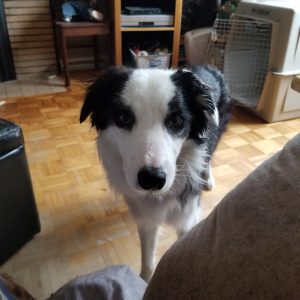
It didn’t take much to scare Gilly. Something as simple as the beeping of a microwave could cause her to bolt. To teach her humans are kind and loving, one of our SPCA expert dog trainers took Gilly home to continue working with her. The other dogs were beginning to make positive progress but Gilly was still very slow to come along.

Until she met Jane Godley.

Jane, who is well experienced with border collies and dog training, began to foster Gilly. “I didn’t know I was going to keep her until she was at my place for a few weeks… Although I am terrible at fostering because they don’t leave,” laughed Jane. “I found her wanting to learn and interested in the games I was playing with her.”
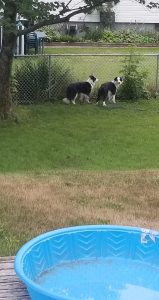
Jane started with Susan Garrett’s Recallers games. “I was in the back yard playing disc with my older border collie and Gilly immediately picked it up,” explained Jane. “Agility is our main game and she is really good. She is a fast learner. My agility coach is so impressed. And boy, is she fast!”

“Just watching her change is the big thing,” related Jane. “Last night she really played in the backyard. For the first time I saw her having fun. It is moments like that, that I remember. Moments that she has bonded with me a little more.”

Gilly does experience some setbacks but overall Jane sees a big improvement. “Her confidence is growing,” said Jane. “Gilly has come along as far as she has because I reward her good behaviour. I know she will always be a puppy mill dog in certain situations but am excited for her to be a regular dog.”
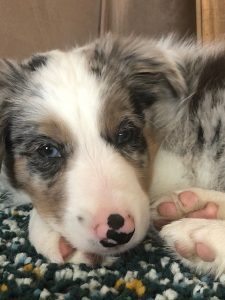
While the adult dogs were in training and foster homes, the youngest puppies joined the SPCA WOOF Program. WOOF, which stands for Working On Our Future, pairs puppies with screened inmates. Under the direction of an expert SPCA trainer, the puppies learn skills and are well socialized. The inmates learn responsibility, patience and respect – skills that can help change the direction of their lives, too.

Bentley was one of those pups.
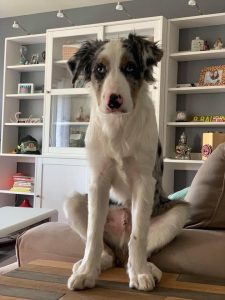
Bruno, Bentley’s fur papa, said that their family always had a love for the SPCA. Sadly, on April 2nd, 2019, their son Ben, a volunteer firefighter and big animal-lover, passed away from a motor vehicle accident. To honour Ben, they sold bracelets designed by Ben’s coworker and donated all the proceeds to the SPCA.

On Valentine’s Day, the day of love, the Baurin family met some of the pups. “At the time we did not think of adopting and we immediately fell in love with them all,” Bruno recalled. “We did not know he was the one but he knew we were the one.”
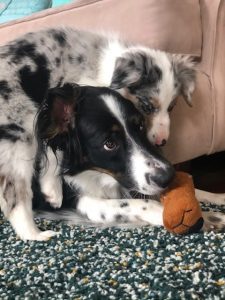
Bentley has officially settled into home life. “It’s like he’s been part of our lives forever,” said Bruno. “He has been a great addition to us and his big brother Archer, the two are inseparable. Every day is a memory. We bring Bentley to baseball games, swims at the lake and lots of fetching.” One of their favourite things about Bentley is the beautiful heart shape in his fur.

“Animals live in the present which is something we as a family strive every day ever since Ben’s passing,” explained Bruno. “Yes, we give them love but they give us unconditional love. We help them but they also help us. The love that Bentley has given us and Archer has helped us through our toughest times.”

All 53 puppies and dogs have found forever homes or foster families on their road to rehabilitation. Their story has changed from one of heartbreak into one of hope.


A special thank you to everyone who donated, fostered, adopted, fundraised and raised awareness. Because of you, 53 puppies and dogs have a second chance at a safe, happy and healthy life.
 

Taylor Mundy

Taylor is the Communications & Development Officer with the Nova Scotia SPCA and proud adoptive fur-mama to Bonnie. She is passionate about raising awareness and funds for local animals in need.

Lost & Found

By Taylor Mundy

“Missing pet” is something we all fear to hear. Unfortunately, in North America, a pet is lost every 7 seconds. Cats and dogs are naturally curious animals and the unthinkable can happen in the blink of an eye.

This is exactly what happened to Sonja and Ethan and their beloved Iti.

The pair first met Iti on one of their many travels to Africa. “My partner Ethan is a marathon runner, that is his passion and he’s very good at it,” said Sonja. Part of Ethan’s training involves regular travel to Iten, Kenya for high altitude training.

While Ethan is busy training, Sonja, an experienced veterinarian uses her talent and passion to help animals in the area. “Like most veterinarians, I am pretty much a softy when it comes to animals – all animals,” Sonja explained. “My travels to Africa have made me very aware with the perils that the wildlife there are facing. I have become quite impassionated with the plight of the Rhinoceros. These animals are amazing – my experience with them has led me to appreciate their gentleness, their curiosity, their strength and their incredibly fastidiousness.”

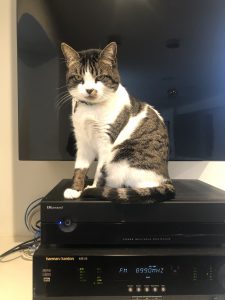
In December 2018, Sonja spotted 3 stray cats at the training camp. One of the three was smaller and much thinner… but also seemed the bravest. “She looked like a kitten but I suspected she was probably older than she looked,” exclaimed Sonja. “Soon she came to trust me and would seek me out at mealtime. She then figured out which room we were staying in and would sit at the front door waiting for us. Our fates were locked.”

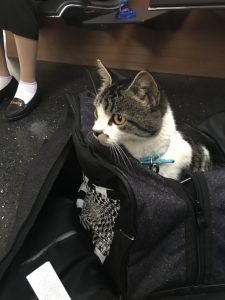
Sonja and Ethan reached out to a local tailor to create a makeshift cat carrier to protect Iti on the plane. During the long night flight, Ethan and Sonja were woken up by one of the flight attendants. Iti had worked away at the zipper and escaped! “I jumped out of my seat and followed the flight attendant to the food station in the back where I found the other flight attendant cuddling Iti and Iti quite contently purring in her arms,” laughed Sonja. “Iti had definitely made some friends on that flight.”

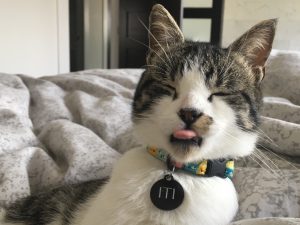
Once settled back home in Nova Scotia, Iti started into a routine of sleeping, cuddling and chatting with her fur parents. “Ethan calls Iti his Kenyan alarm clock because she gets him up every morning around 4am,” said Sonja. Iti was always ready for a snuggle… so when Iti didn’t curl up on the couch with Sonja and Ethan one evening, they knew something was wrong.

Right away, Sonja and Ethan began going door-to-door asking neighbours if they had spotted Iti. They created posters and posted them throughout the neighbourhood and local businesses. “We had all sorts of people looking… We definitely made some friends,” explained Sonja. “I contacted the local vet clinics, the cat shelters, and the SPCA. I went out several times a day and night calling out for her.” Sonja and Ethan even offered a reward of $1,000 to hopefully bring Iti home safely.

Four days later, a neighbour called to tell Sonja and Ethan that they spotted Iti running out of her shed. Back in Kenya, Sonja and Ethan used to shake Iti’s food dish to call her. Knowing that Iti responds to the sound, Sonja immediately grabbed Iti’s food dish and began to shake it. It worked! Iti was brought home safe and sound.

Thankful that their kitty was home, Sonja and Ethan wanted to pay-it-forward to help other animals in need. They generously donated the $1,000 reward to the Nova Scotia SPCA! “The SPCA is so important in our community,” exclaimed Sonja. “If I ever found a lost animal the SPCA would be the place I would take them to with the hope that they could be reunited with their family. It’s the go-to place in our mind and must be supported.”

“I suspect that many people have really learned the value of animal companionship during COVID-19,” Sonja reflected. “They provide unconditional love and huge amounts of joy and fun. Because of this they need to be valued and helped – they are not a thing, they are living creatures, they should never be discarded or abused but sometimes a situation arises where that happens – this is when they need our help. It is our responsibility as a society to respect and help these animals.”

“I never want anyone to lose a pet but if it goes happen, know that there is a whole network of people out there that want to help and provide support,” explained Sonja. “When an animal goes missing don’t give up – be tenacious and just keep looking.”

Thanks to Sonja and Ethan, Iti was given a second chance at a healthy and happy life. And thanks to the support the community and animal-lovers, Iti was found and brought home safe and sound.


Feeling inspired? You can be a hero for homeless pets by donating to the Nova Scotia SPCA. Click here.


Taylor Mundy

Taylor is the Communications & Development Officer with the Nova Scotia SPCA and proud adoptive fur-mama to Bonnie. She is passionate about raising awareness and funds for local animals in need.

Kindness Helps Kittens Beat the Odds Twice

By Judy Layne

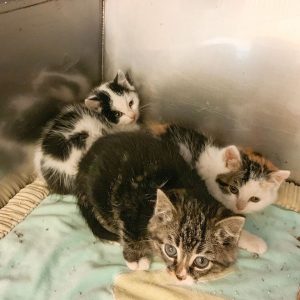
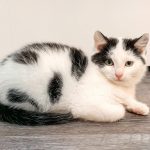
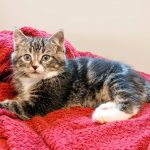
Eggnog, Gingerbread and Peppermint Patty had a heartbreaking start in life.  On a cold December evening last year, they were found wandering in the middle of the road.  Sadly, their mom had been killed by a car.  A kind man rounded them up and immediately brought the kittens to safety and warmth at the Kings SPCA.  We don’t know his name but want to thank him for saving these three precious souls.  If not for his kindness, the kittens would likely have died from the cold or been run over.

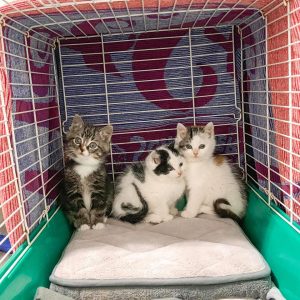
At only 6 weeks old, the kittens were too young to be put up for adoption.  Being semi-feral, they also needed to be socialized to build their confidence and adaptability and ease their transition to a new forever home.  So, after receiving much needed medical care at the shelter, the next step was to find the kittens a loving foster home.

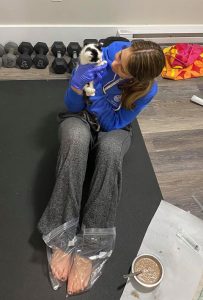
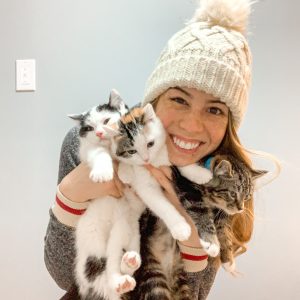
In stepped Allyson McGuigan, the purr-fect foster fur-mama.  Allyson is a Registered Veterinary Technician and had recently started working at the Kings SPCA.  Allyson texted her partner Jason Comer asking if he was ok with her bringing home 3 very under-socialized kittens to foster who were having a bit of diarrhea.  The couple had just adopted their 4th fur-baby two weeks prior.  Allyson relates “Bless his heart, he said yes.”

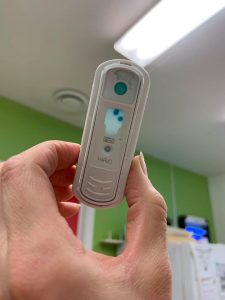
Before taking them home and because they had diarrhea, Allyson tested the kittens’ feces for a contagious often fatal virus called panleukopenia (feline distemper).  The virus is contagious for unvaccinated cats and kittens that are too young to get their vaccine. These tests are routinely done at the SPCA before any animal leaves for their foster home.  All 3 tests were negative.

Allyson says “About 48 hours after I got the kittens home, one wasn’t doing great so I tested them again for panleukopenia and sure enough, all 3 were positive.” She explains “There aren’t any medications capable of killing the virus, so all you can do is provide supportive care until their immune system can fight it off.  If they survive 5 days, their odds of recovering are greatly improved.  If they get through 14 days, they’re in the clear.”

Supportive round-the-clock care consisted of providing nutrients and correcting dehydration.  Allyson notes that the SPCA never expects foster parents to take home or care for sick animals unless they have been trained.  “Force-feeding multiple times a day and injecting fluids under their skin isn’t a great way to gain the trust of a kitten!” she adds.  After 14 days in quarantine, the kittens had beaten the odds – they had gained weight and were perfectly healthy.  Yay!

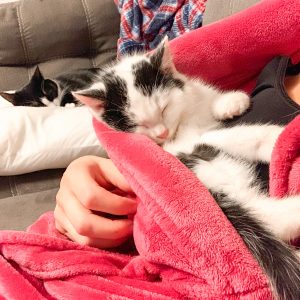
Now it was time to begin socialization as the kittens were still very afraid of humans.  “Jason, I and our cat clan did our best to give them gentle love and prove to them that living with humans can actually be fun,” says Allyson.  “To earn their trust, we petted them while they were eating yummy food and snuggled them lots.  One of my favorite tricks was to put a hoodie on backwards and carry a kitten around in the hood.  Once the kittens were in the clear, we slowly introduced them to our cats, with direct supervision.  They all got along great after the usual initial hisses and sniffs.”

Allyson’s final thoughts?  “If you’ve ever considered fostering, DO IT!  It is one of the most rewarding and fulfilling things I’ve ever done.  Yes, saying goodbye sucks, but I recently read this and it is so true………….. ‘On the day you say goodbye to your foster kittens, they say hello to the beginning of the rest of their lives.  It’s important to enter this day with a feeling of achievement and celebration – because of you, this tiny life can now grow.  Because of you, some lucky human will have a new best friend.'”

Thanks to kindness, Eggnog, Gingerbread and Peppermint Patty beat the odds twice and we are thrilled to say that all 3 have found loving forever homes.


Interested in learning more about fostering at the Nova Scotia SPCA? Click here.


Judy Layne

Judy is a dedicated volunteer with the Nova Scotia SPCA and proud adoptive fur-mama to Gracie. She is committed to speaking for animals who cannot speak for themselves.

Kimber Gets a New ‘Leash’ on Life

By Judy Layne

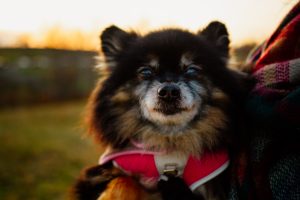
On May 16, 2019, Kimber was rescued by SPCA Enforcement Officers, along with 5 other dogs and 2 cats.  Although Kimber had somehow managed to survive for 17 long years, her life was not filled with the care, love and attention that every animal deserves.

When Kimber arrived at the SPCA, she was very timid and would cry when being picked up.  The veterinary team determined that she was deaf, had an enlarged heart and almost no teeth. Because of her heart condition and age, Kimber was placed in the SPCA’s Palliative Care Program.

The program was a perfect fit for this sweet little girl.  While to many people, the term ‘palliative care’ is associated with dying, the Nova Scotia SPCA’s Palliative Care Program is about living.  It’s about ensuring that senior pets and those with compromised health like Kimber get to live out the rest of their days in a foster home filled with love, caring, comfort and happiness.  Since the program began in 2009, over 109 animals have participated.  The program is a proud reflection of the SPCA’s No-Kill policy.

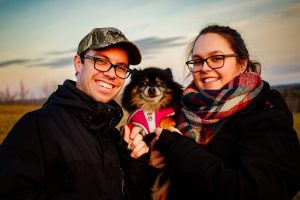
After two months at the shelter, Kimber was the only one of the group of 8 rescued animals that hadn’t been adopted.  Then one day, Kimber’s life changed.  Brett Pentz, a volunteer dog walker at the shelter, was given Kimber to walk.  He sent a picture to his partner Lorena Beaver.  Lorena says “We thought Kimber was the cutest thing!  She looked like a little wolf. Brett told me that she was 17 years old and the only one of her group still waiting to find a loving home.  Our hearts melted and we knew we couldn’t leave her behind.”

The couple went to the shelter the next day to visit Kimber.  Lorena explains “When we decided to take her home, we knew about her health issues but didn’t know at that point that her medical expenses would be covered by the SPCA.  That being said, this is a great feature of the Palliative Care Program.  It lessens the burden on us as foster parents by not having to worry about the cost.”

The couple had never fostered an animal before, but they were ready and willing to open their hearts and home to a palliative pet in need.  Before long, Kimber was en route to her forever home! Lorena shares “Kimber was scared on the drive home and sought comfort in my lap. Once we were home though, it didn’t take her long to explore the place and test-drive all of her new beds and blankets!”  Brett adds “Our two cats had never even seen a dog and it took them a while to come around, but now, they all get along great.”

Kimber is thriving in her new home. Brett explains “We knew right away that she had a spunky demeanor and over the year she’s been with us, her big personality has grown tremendously.” Kimber used to be afraid of people, but she’s made a complete 180° and nowadays she loves soaking up all the attention she gets.  “She adores our next-door neighbours and will sit in their driveway hoping that if she waits long enough, they’ll come outside to see her,” chuckles Lorena.  Kimber’s favorite things to do? “She loves to go on walks.  Even at her old age, once her leash is on, she runs up the driveway with excitement” relates Brett. “She also loves snuggles and napping!”

Kimber and her foster fur-mama stop by the SPCA Hospital for frequent check-ups to make sure she continues to thrive.  Lorena relates “Kimber gets so excited to see the people who used to care for her.  That says a lot about the great folks at the SPCA.”

The couple shares “We’re thrilled that we celebrated Kimber’s 18th birthday and 1-year ‘Gotcha’ Day’ on June 22nd! Lots of people would have counted Kimber out because of her age, but it’s amazing to see what love does for these animals.  We may have met Kimber late in life, but we will make it her best life while she is here. In return, she blesses us with unconditional love.” They encourage people to consider fostering a palliative care animal.  “It’s one of the most rewarding things you can do.”


Please give a round of ‘ap-paws’ to the Nova Scotia SPCA Palliative Care Program.  Your generous support gives deserving animals like Kimber a second chance at a happy life.  To learn more about this life-changing program and how you can help, click here.


Judy Layne

Judy is a dedicated volunteer with the Nova Scotia SPCA and proud adoptive fur-mama to Gracie. She is committed to speaking for animals who cannot speak for themselves.

Teaching Kids to be Kind to Animals

By Judy Layne

Teaching kids to be kind to animals is one of the most important life lessons we can pass along to them.  It plays a vital role in kids growing up to respect those who are different from them and to treat them with kindness.

Some people may think that kids will naturally be kind to animals without having to be taught, but that’s not always true. Some kids may not know how to behave around animals.

A child’s attitude toward animals can predict future behavior towards people. Teaching kids kindness toward vulnerable creatures helps them develop empathy for all living things, including other people.

Parents play a key role in teaching their kids to be kind to animals. Just ask Janice, mom of one of our young SPCA super-heroes Jayden Messom.

Lead by example

This is the most powerful tool you’ve got.  Always demonstrate kindness and compassion toward animals through your own actions. Janice relates “I taught Jayden the golden rule – that it’s important to treat every person and animal the way you would like to be treated.”

Encourage respectful behavior

Teach toddlers and children handling animals for the first time to be gentle. Explain what the world is like from an animal’s perspective and what can cause them fear or anxiety, such as yelling, grabbing or approaching too quickly. Janice believes “It’s important for any child living with or interacting with animals to understand their ways of communicating with us and to respect their feelings and the signals they send us.”

Show kids how to pet and hold animals the right way

Little kids can sometimes get a bit vigorous with their ‘petting’. Some may accidentally grab or pull animals. Repeat the word ‘gentle’ and show them how it’s done.

Explain that it hurts.

Tell toddlers that animals have feelings and that ear pulling, squeezing or kicking hurts the animal as much it would hurt them. Emphasize that it’s not fun for the animal and can, in fact, be dangerous. Be clear that such actions are not acceptable. If you see your child teasing or taunting, do not ignore this behavior. Step in to correct it immediately and seek help if the behavior continues.

Have kids help with pet care.

If you have pets, give your kids age-appropriate tasks to help with their care – for example, refilling water bowls each day, walking the dog with you.  Emphasize the importance of providing regular companionship and love.

Read kids books that show animals as feeling individuals.

A few great examples for teaching empathy are Black Beauty, Charlotte’s Web, Hobbes Goes Home, A Kid’s Best Friend, and The Forgotten Rabbit. Janice says “We read a lot of books about animals in Nova Scotia and other parts of the world. Jayden’s favorite animal is the arctic fox. She has adopted one thought the Earth Rangers program she belongs to. The program teaches her a lot about various animals around the world.”

Foster an animal. 

If you love animals but can’t commit to having a full-time pet, fostering is a great way to teach kids the meaning of volunteerism and helping others in need. “Our experience in fostering an animal helped to build character and promoted a sense of responsibility in Jayden,” says Janice.

Visit an SPCA shelter with your kids. 

Explain the importance of caring for pets and the responsibilities of pet ownership. Pet a cat or walk a dog together. Make a difference by donating food, blankets or pet toys for shelter animals. Janice shares “Our visits to the SPCA shelter are a wonderful way to strengthen our mother-daughter bond and Jayden’s bond with animals.”

Watch animal-friendly movies together. 

Some notable ones for teaching compassion are Bambi, Lassie, Free Willy, Babe, Finding Nemo, and Dumbo.  

Observe wild animals in their natural habitat.

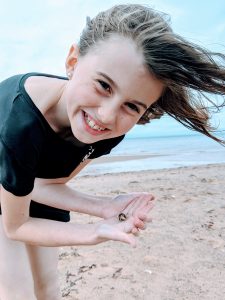
Emphasize the importance of respecting wild animals from a distance and protecting their habitat by not littering. Jayden’s mom encourages parents to explore and learn with their children. “We find creatures at the beach and go home to look up what they are and learn more about them.”

Teach kids to be kind to animals. They’ll grow up to be kind to people as well.


Judy Layne

Judy is a dedicated volunteer with the Nova Scotia SPCA and proud adoptive fur-mama to Gracie. She is committed to speaking for animals who cannot speak for themselves.

The Rescue Warriors

By Taylor Mundy

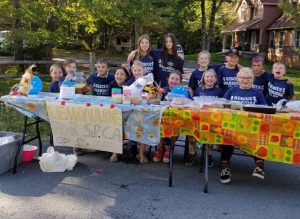
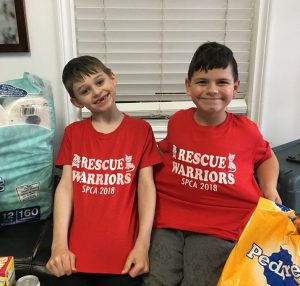
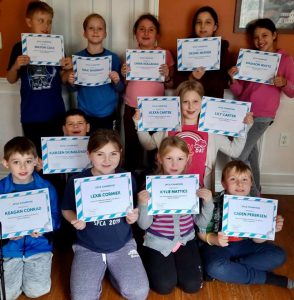
A group of young kiddos appropriately named the Rescue Warriors have set out to help pets in need. The small but mighty group of adorable animal advocates help the SPCA by raising funds and awareness.

This is all started five years ago with the support of parents and their daycare leader, Sandie, from Sandie’s In-Home Childcare. “I have been a strong advocate for all animals,” explains Sandie. “I believe they need our voices in order to live a safe and healthy life.”

Ranging in ages from 5-13, the Rescue Warriors are all bonded by their love for animals. “When you put children and animals together, they just seem to gravitate to each other – no words needed!” Sandie shares. “I started the Rescue Warriors with a small group of maybe 7 children and we are now at 17 kids.”

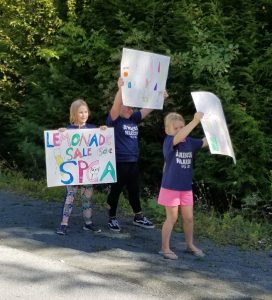
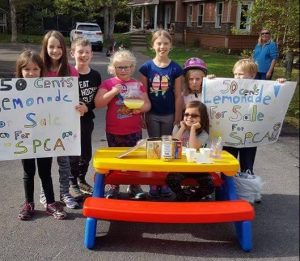
The Rescue Warrior’s first donation was after their popular lemonade stand. Loonies and toonies may not feel like all that much but everything adds up. They raised approximately $500!

Since then, they have tripled that amount raising $1,500 to help pets at the SPCA. How amazing!

We asked the members what their favourite thing about fundraising and supporting the SPCA is.

“Helping animals in need of food and water.” – Caden

“It feels good fundraising and knowing that we have helped lots of animals.” – Karsen

“Raising money with my friends and Sandie” – Emma

“Helping the animals out when in need or waiting for a forever home.” – Lexie and Luc

“I am an animal lover and I love doing the lemonade stand to support the animals in need of a new home and help and food….and also for the free lemonade.” – Max

All of the Rescue Warriors agreed that it felt good to hang out with their friends and do something really great for animals. Most of them even exclaimed they would love to help animals and work with them when they grow up!

When we asked the Rescue Warriors why they think it is important for kids to get involved to help animals, their responses were inspirational:

“Animals are important. It teaches us about all the good we do for animals to help them.” – Lexie and Luc

“It will help them to grow up to be nice people and appreciate animals. It will also help them be responsible as grown-ups.” – Max

“People really like animals and I would do anything to help them.” – Caden

“We learn that animals are important and need our help if they don’t have a home.” – Emma

“I think it’s important to get involved and help animals because we are the younger generation and we need to take care of our environment, animals etc. It’s a great feeling to do something to help others.” – Karsen

“I am beyond proud of the children and parents and people giving donations,” exclaims Sandie. “Our Rescue Warriors are receiving donations from as far as Boston and Ontario through family members. With each year we are growing. We have no plans on stopping anytime soon.”

“I really feel this yearly event brings out the best in these children,” says Sandie. “They are so proud of themselves and it is truly a team effort. They wait anxiously to get their t-shirts each year and get the finalized total brought in. An event of love for the animals we are so proud of!”

Their kindness and generosity truly show that you can never be too small to make a big difference. On behalf of our furry friends, we would love to give a big THANK YOU to the Rescue Warriors: Keigan, Deserie, Alexa, Lily, Max, Madison, Kylie, Mason, Emma, Brooklyn, Karsen, Grace, Caden, Austin, Carter, Jill, Luc, Willa, and Sandie.


Feeling inspired? You can host your own virtual event or fundraiser to help care for furry friends in need. Click here to learn more.


Taylor Mundy

Taylor is the Communications & Development Officer with the Nova Scotia SPCA and proud adoptive fur-mama to Bonnie. She is passionate about raising awareness and funds for local animals in need.